What to Wear to Your Headshot Session (A Las Vegas Photographer's Complete Guide)
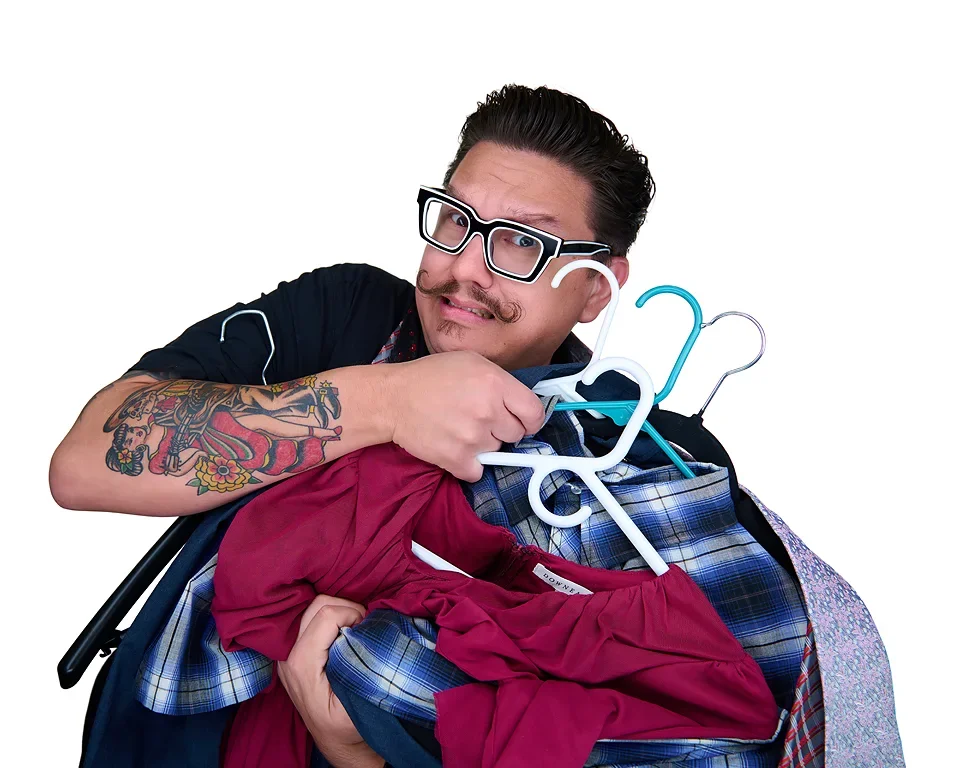
TL;DR
What to wear to your Headshot Session comes down to one question most people skip entirely: who are you dressing for? Your outfit isn't about what looks good in the mirror. It's a strategic decision based on your target audience, your industry, and how you want people to feel when they see your photo. Solid colors in jewel tones or deep neutrals photograph best on camera. Avoid busy patterns, overly bright colors, and clothes that don't fit your current body. Bring two to three outfit options, make sure everything is pressed, and if bold is already part of your personal brand, lean into it. Your expression sells the image. Everything else should support it, never compete with it.
Table of Contents
Why Your Wardrobe Is a Marketing Decision
Start With This One Question Before You Open Your Closet
What to Wear Based on Who You're Trying to Reach
The Personal Brand Exception: When Bold Is the Right Move
General Wardrobe Guidelines That Work Across Every Industry
What Colors Actually Look Good on Camera
A Note for Actors: Your Wardrobe Is Part of Your Audition
Common Wardrobe Mistakes (and the Real Stories Behind Them)
What Happens on Your Consultation Call
Frequently Asked Questions
Why Your Wardrobe Is a Marketing Decision
What to wear to your headshot session isn't a fashion question. It's a marketing question, and the difference matters.
Research shows that people form their first impression within the first few seconds of an encounter, and that impression is driven almost entirely by what they see before you ever say a word. In her national bestseller Captivate: The Science of Succeeding with People, behavioral researcher and Harvard instructor Vanessa Van Edwards explains that judgments formed in those first seconds remain surprisingly consistent even after much longer interaction. Your headshot is living inside those first seconds every single time someone lands on your profile.
Your headshot is no different. Every time someone lands on your LinkedIn profile, visits your website, or sees your speaker bio, your photo is the first thing they process. It shapes how they feel about you before they've read a single word. So what you wear in that photo isn't a style decision. It's a first impression strategy.
The goal isn't just to look good on camera. The goal is to look exactly like the person your ideal client can relate to and expects to see when they finally meet you in real life. When those two things align, people feel it. When they don't, they feel that too, even if they can't explain why.
If you're wondering whether a real photographer is even worth it over an AI app, here's the honest breakdown.
Start With This One Question Before You Open Your Closet
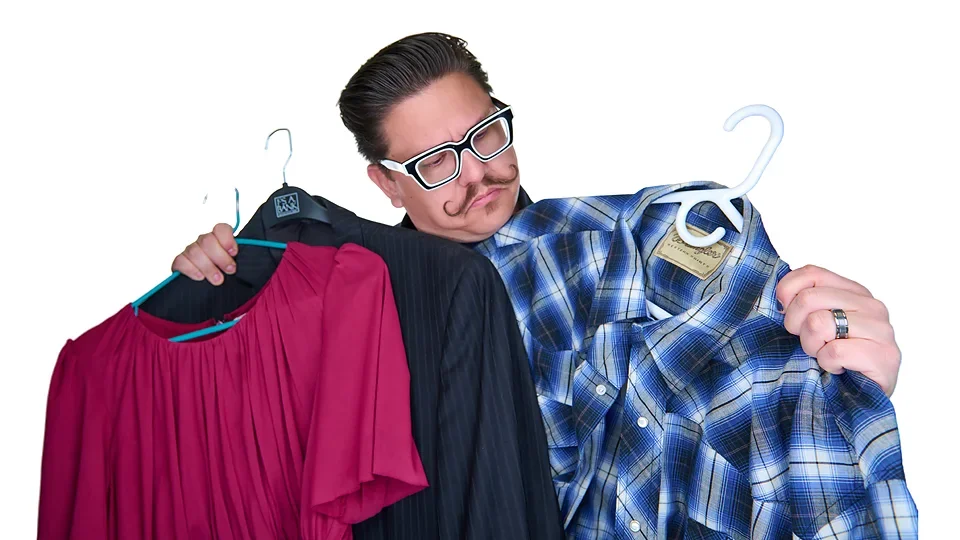
Before you start pulling clothes off hangers, here's the question that changes everything: Who are you dressing for?
Not yourself. Not your spouse. Not the photographer. Your target audience.
During every consultation call, here's how the conversation about wardrobe goes: stay away from busy patterns and really bold colors, because what looks good in person doesn't necessarily translate on camera. You are the hero of the shot. Everything else should accent you, not distract from you. Your expression is what sells the image. Everything else should help enhance that.
Then comes the most important question: who do your clients want to see when they look you up? What do they expect you to look like? Because your headshot needs to speak the visual language of the people you're trying to reach.
Think about it this way. If you had a dinner meeting with a CEO of a multimillion dollar company, you would already have a preconceived idea of what they would dress like. It would really throw you off if they showed up in skinny jeans and a tank top.
So with that in mind, think about what you would wear to meet a room full of your ideal clients. That's your wardrobe starting point. Not necessarily your favorite outfit. Not what you wore to your last big event. The outfit that makes your target client think, "yes, this is exactly who I want to work with."
Once you get clear on that, the wardrobe choices become a lot easier. Let's break it down by who you're likely trying to reach.
What to Wear Based on Who You're Trying to Reach
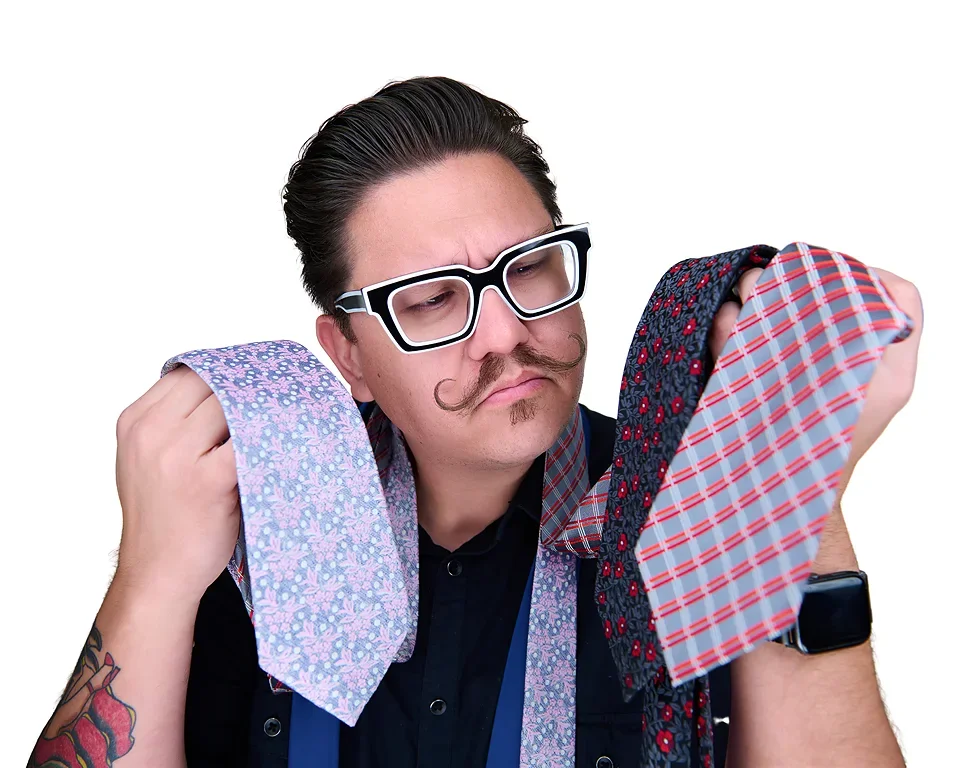
Different industries have different visual cultures. Your headshot needs to fit into your world, not just look polished in isolation.
C-Suite Executives and Corporate Professionals
C-suite executives dress with a level of precision that most people underestimate. Their outfits, whether that's a suit, a pantsuit, or a carefully chosen dress, are meticulously put together because the audience they're branding themselves for expects a certain level of polish. This isn't just style. It's a signal.
For this audience, think classic, structured, and intentional. A well-tailored suit in navy, charcoal, or black signals authority without requiring explanation. For women, structured blazers, elegant blouses, and refined dresses land well. The goal isn't to look expensive. It's to look like someone who belongs in that boardroom, because you do!
Keep accessories understated. Let the fit and the color do the work. A great-fitting suit in a deep navy communicates confidence without trying too hard.
What to bring: Two to three looks. A formal option for the core shots, and a slightly more relaxed version if you want variety.
Tech Startup Founders and Entrepreneurs
The startup world has its own visual culture, and it leans toward what you might call polished casual. High-end clothing, but never stiff. Think brand hoodies and blazers over a clean T-shirt with designer jeans and elevated footwear. Things that say "I'm successful and I'm also someone you can actually talk to."
The detail that separates a tech founder's look from a C-suite executive's isn't just the clothes. It's the hair. Trendier cuts, intentional facial hair, and accessories all follow suit. The vibe is approachable success, not boardroom authority.
If you're in tech and you show up in a three-piece suit, you might actually be overdressed for the people you're trying to attract. Know your world.
What to bring: A blazer over a clean shirt as your anchor look, plus a more casual variation if your brand supports it.
Influencers and Creatives
For creatives and influencers, the rules shift. This audience usually nails it. Influencers tend to know exactly what works for their audience, and their wardrobe reflects that naturally. Female creatives and influencers often come in wearing something they'd wear to a nice dinner or into the office, polished but never overdressed.
This is the category where personality shows up most in the wardrobe. Bold color, interesting texture, and statement pieces are all on the table, as long as it's intentional and consistent with how you show up everywhere else.
What to bring: Your signature look, plus a cleaner, more versatile backup if you want options.
Real Estate and Sales Professionals
This audience benefits from approachability. You want to look trustworthy and warm, someone a client would feel comfortable inviting into a high-stakes transaction. Warm blues, soft teals, and polished earth tones work well here. Sharp but not stiff.
Legal and Financial Professionals
Traditional authority markers work here. Navy, charcoal, deep burgundy, and classic cuts signal the kind of credibility these clients expect. This isn't the place to experiment with trends.
If you're an attorney specifically, read Why Las Vegas Lawyers Need Professional Headshots for a deeper breakdown of what the legal industry expects from a profile photo.
The Personal Brand Exception: When Bold Is the Right Move
Here's something that comes up more than you'd expect: sometimes the rules don't apply.
A few clients have come in wearing things that would normally be a hard no on paper. Bold multicolor shirts. Really busy patterns. Thick, statement glasses in bright colors. Everything that typically doesn't photograph well. But because that bold look was already woven into who they were professionally, how their clients knew them, and what made them recognizable in their industry, it actually worked. Trying to tone it down would have been a disservice. They would have ended up with photos that looked like a stranger.
The rule is simple: if big and bold is your personal brand, let's rock it!
If your clients already associate you with your signature style, watering it down for a "safe" headshot creates a disconnect. Your headshot should look like you, not a more conservative version of you.
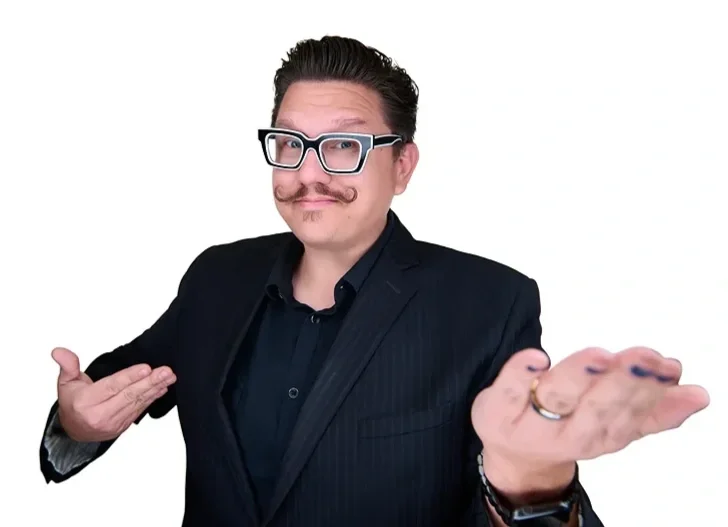
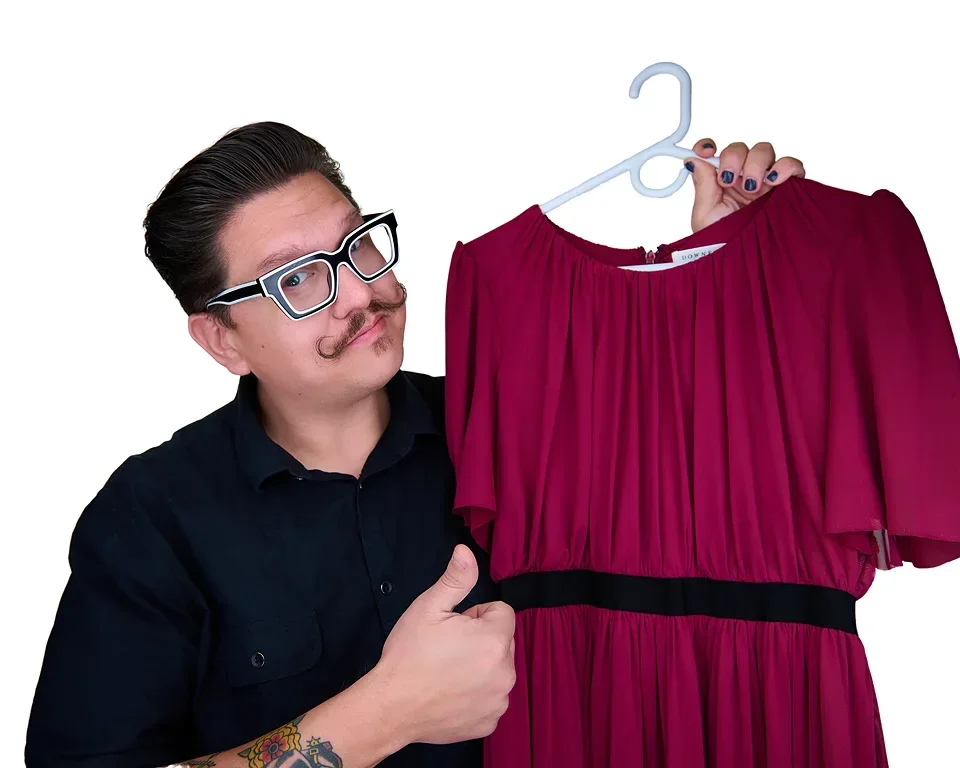
I’m a perfect example, I wear bold glasses, a big handlebar mustache and usually have my nails painted, and I have have big bold tattoos (what can I say I’m a creative). But if I were to take away any one of those things I’d be unrecognizable. Don’t believe me? Take a look at my blog post How often should I update my Headshot.
The general wardrobe guidelines below are for people who don't have a strong established visual identity yet. If you do, lean into it.
“Your headshot should look like the person your clients already know. If your style is part of your brand, Rock it!”
General Wardrobe Guidelines That Work Across Every Industry
If you don't fall into the bold-is-my-brand category, here's the framework that works for most people across most industries.
Solid colors or subtle patterns. Busy patterns compete with your face, and your face is the hero of the shot. Everything else should support that, never distract from it. A subtle texture is fine. An eye-catching print is not.
Clothes that fit your body right now. Not the body you're working toward. Not the blazer you love but haven't been able to button in two years. One client came in after losing 60 pounds and wanted to wear his favorite blazer and button down. First off good for him for losing that much weight, truly a huge accomplishment but It was so oversized that even with pinning and clamping, the images came out super unflattering. The session was rescheduled at no charge. Two weeks later he came back in a new suit and the images looked awesome and he also finally saw who he was working so hard to become. Talk about a confidence booster!
Wear something you've worn before. Your session is not the time to break in a new outfit unless you know it’s going to work. Wear something that already makes you feel confident, because confidence shows on camera. New clothes come with new-outfit energy: stiffness, discomfort, second-guessing. You don't want any of that in the frame.
Keep jewelry and accessories on the smaller side. A delicate necklace or simple earrings frame your face without pulling the eye away from it. Large statement pieces compete with your expression, and your expression is what we're actually trying to capture and is what connects with the viewer.
Classic cuts over trendy silhouettes. Trendy silhouettes date quickly. A clean, classic cut will keep your photos feeling current for years longer than something that's having a moment right now.
Iron or steam everything before you arrive. The studio does have a steamer and it gets used regularly, but mostly for small touch-ups. Deep wrinkles are a problem. They're amplified on camera in ways you don't notice in real life, and there's only so much that can be done in post-production. Think of it this way: you wouldn't show up to a meeting with a potential investor in a wrinkled suit. Your headshot deserves the same standard.
What Colors Actually Look Good on Camera
Color matters more than most people realize, and it's one of the places where "what looks good in person" and "what looks good on camera" can diverge significantly.
After 13 years behind the camera and thousands of sessions, this is what I can tell you from direct experience: color triggers an immediate emotional response before a viewer consciously processes anything else. What reads as polished and trustworthy on one person can read as flat or distracting on another. That's why we always test on camera before committing.
Here's what actually photographs well:
Navy blue is the most reliable color for professional headshots across the widest range of skin tones and industries. It reads as authoritative and trustworthy and photographs cleanly under most lighting conditions. Studies consistently show blue is the most universally preferred color across cultures.
Charcoal grey is the second most reliable choice. Neutral without being stark, it adds visual depth without competing with your face.
Deep jewel tones like burgundy, forest green, deep teal, and rich purple photograph beautifully and add dimension without overwhelming the frame. They work particularly well for creatives and professionals who want to stand out without going loud.
Warm neutrals like camel, taupe, and warm white can work depending on your skin tone and background.
Colors to approach with caution:
Hot pinks, neon greens, and bright yellows can create color cast issues, meaning they throw color onto your skin in ways that are hard to correct in editing. One client came in with a hot pink top that could have worked in other circumstances, but the contrast against her skin tone was too stark. The result wasn't what either of us wanted. She had been advised ahead of time that it might not work, but it was the only option she brought. The session had to be rescheduled. Bring backups.
The bottom line on color: If a color washes you out in person, it will wash you out on camera. Stick with colors that make your complexion look alive. Not sure what works? Bring options and we'll work through it together.
Ready to stop guessing and walk into your session prepared? Book your Las Vegas headshot session here.
A Note for Actors: Your Wardrobe Is Part of Your Audition
Everything above applies to you, with one important addition.
You absolutely want a clean, versatile headshot that represents the most marketable version of you. That's your baseline. But if you're going after a specific role or character type, bring those outfits too.
Dress the part. If you're pursuing dramatic roles, bring something that reads that way. If you're going for the approachable neighbor type, wear what that person would wear. Casting directors and agents are visual thinkers. Your wardrobe is already doing part of the audition before you walk in the room.
Think of each look as a different door you can walk through for an opportunity. Come prepared to open as many as possible.
Common Wardrobe Mistakes (and the Real Stories Behind Them)
Wrinkled clothing. A client came in after being reminded multiple times to come camera-ready with clothes prepped and ready to go. They showed up with everything stuffed into a bag, deeply wrinkled. Over an hour was spent steaming before shooting could begin Luckily it was my las shoot of the day and I was able to spend more time with them. However that's an hour that could have been better spent in front of the camera. Wrinkles that feel minor in person are amplified significantly on camera.
Ill-fitting clothes. Already covered above, but worth repeating. The 60-pound weight loss story isn't unusual. Clothes that are too loose look shapeless. Clothes that are too tight pull and bunch in unflattering ways. Wear what fits right now.
Clothes you've never worn before. If you're not comfortable, it shows. Confidence is visible on camera, and so is the lack of it.
Logos and branded clothing. Unless the brand is yours, skip it. A large logo is a distraction and dates your images quickly.
The wrong color for your skin tone. If a color washes you out in person, it will wash you out on camera. Bring options if you're not sure.
Only bringing one outfit. Backups matter. If the primary choice doesn't work on camera, you want options to pivot to without rescheduling.
What Happens on Your Consultation Call
Here is how the process actually works when you book with Pandorica.
Step one is the consultation call before your session, where we work through exactly who you are dressing for, what your target audience expects to see, and which looks to bring.
Step two is the session itself, fully directed from the moment you walk in, with every outfit tested on camera in real time so there are no surprises.
Step three is walking out with images you are actually excited to use and can’t stop staring at!
When someone says they don't know what to wear, the conversation goes through a few key questions: What industry are you in? Who is your target audience? Where do you see yourself in the next few years? What's the norm in your industry, what do people at the level you're aiming for actually wear?
Then comes the reframe that tends to unlock things: your clients are just like you. They're people who need to resonate with you and feel like you're part of their world. Dressing for them isn't about performing. It's about speaking their visual language so they feel, even from a photo, that you get them.
That conversation happens before the session so that when you walk in, there's no guessing, no stress, and no surprise. You show up confident, prepared, and ready to work.
Reach out before your session and we'll work through it together. You can view session options and book here.
Frequently Asked Questions
Q: How many outfits should I bring to my headshot session? A: Two to three outfits is the right range for most sessions. It gives you variety without turning the day into a wardrobe shoot. Lead with your primary look, the one most aligned with your brand and target audience, and bring one or two backups that offer a different color or energy. More than three options tends to create decision fatigue rather than better results. That being said, I’m always of the thought of better to have it an not need it than to need it and not have it. Meaning if you feel you should bring more bring more, we don’t have to shoot every outfit.
Q: Can I wear all black? A: Yes, and it can photograph beautifully. Black is timeless, clean, and keeps the visual focus on your face. The key considerations are fit (black shows shape clearly, so the fit needs to be on point) and contrast with the background. If your background is also dark, you may blend in. Discuss this with your photographer ahead of time.
Q: What colors should I avoid? A: Busy patterns, neon and very bright colors (hot pink, neon green, bright yellow), and anything that creates too stark a contrast with your skin tone. These can cause color cast issues or pull visual attention away from your face. When in doubt, bring the color in question along with a neutral backup and let the camera decide.
Q: What about makeup and grooming? A: Keep it consistent with how you look in your day-to-day professional life. Your headshot should look like you, not a polished-up version of someone else. A slightly more camera-ready version of your normal look is the sweet spot. If you're considering professional hair and makeup, it's worth it, just make sure the result still feels like you.
Q: Should I bring accessories? A: Yes, bring options. A simple necklace, different earring styles, a watch, a scarf. Small accessories can shift the feel of a look significantly and give flexibility during the session without a full outfit change. Avoid large statement pieces that compete with your expression.
Q: What if I'm not sure what my target audience responds to? A: That's exactly what the consultation call is for. Understanding who you're dressing for is the first step in the whole process, and it's worth getting right before anyone picks up a camera. Reach out before your session and we'll work through it together.
Q: Do I need to get my hair done professionally before the session? A: You don't have to, but many clients find it makes a real difference in how confident they feel, and that confidence comes through on camera. (plus who doesn’t love to be pampered for a bit?) If you do get your hair done, make sure it still looks like you. Overly styled hair that you'd never normally wear can feel as disconnected as the wrong outfit.
Q: What if I wear a uniform for work? A: If your uniform is how your clients know you and connects you to your professional identity, it can absolutely be part of your session. Bring it along with a more versatile backup. We'll figure out the right balance during the consultation.
Final Thoughts: Your Headshot Is Already Working for You
When your wardrobe is right and your session is dialed in, something shifts. You stop hesitating before handing someone your business card. You stop hoping people don't click over to your LinkedIn. You show up online looking exactly like the professional your clients already believe you to be, and the photo does the work before you ever say a word.
That's the whole point. Not a nice photo. A visual asset that makes the right people feel, even from a thumbnail, that you are exactly who they are looking for.
Getting the wardrobe right is the first step in making that happen. You don't have to figure it out alone. The consultation call exists specifically so you walk in prepared, confident, and ready to show up as the best version of yourself on camera.
Mondo Rojas is a Las Vegas headshot photographer with 13 years of experience. He trained directly under world-renowned photographer Peter Hurley and holds Associate Photographer and Mentor status within The Headshot Crew, one of a small number of photographers worldwide trusted to teach the methodology to others.
Sources
Van Edwards, V. (2017). Captivate: The Science of Succeeding with People. Portfolio/Penguin. scienceofpeople.com/captivate
LinkedIn Official Data. Profile photo engagement statistics. linkedin.com/business/sales/blog